Sandra’s tales of Moorelands Camp in the 1960s.
Sandra first arrived at Moorelands Camp in 1956 as a young camper. Like many children growing up in Toronto, camp was an exciting opportunity for fresh air, adventure, new friendships and a chance to experience nature outside of the city. The camp, located in Beaverton at the time and still under the umbrella of the Anglican church, had a train station running right through it, and each summer, Sandra would take the train from Union Station in Toronto to Moorelands Camp train station.
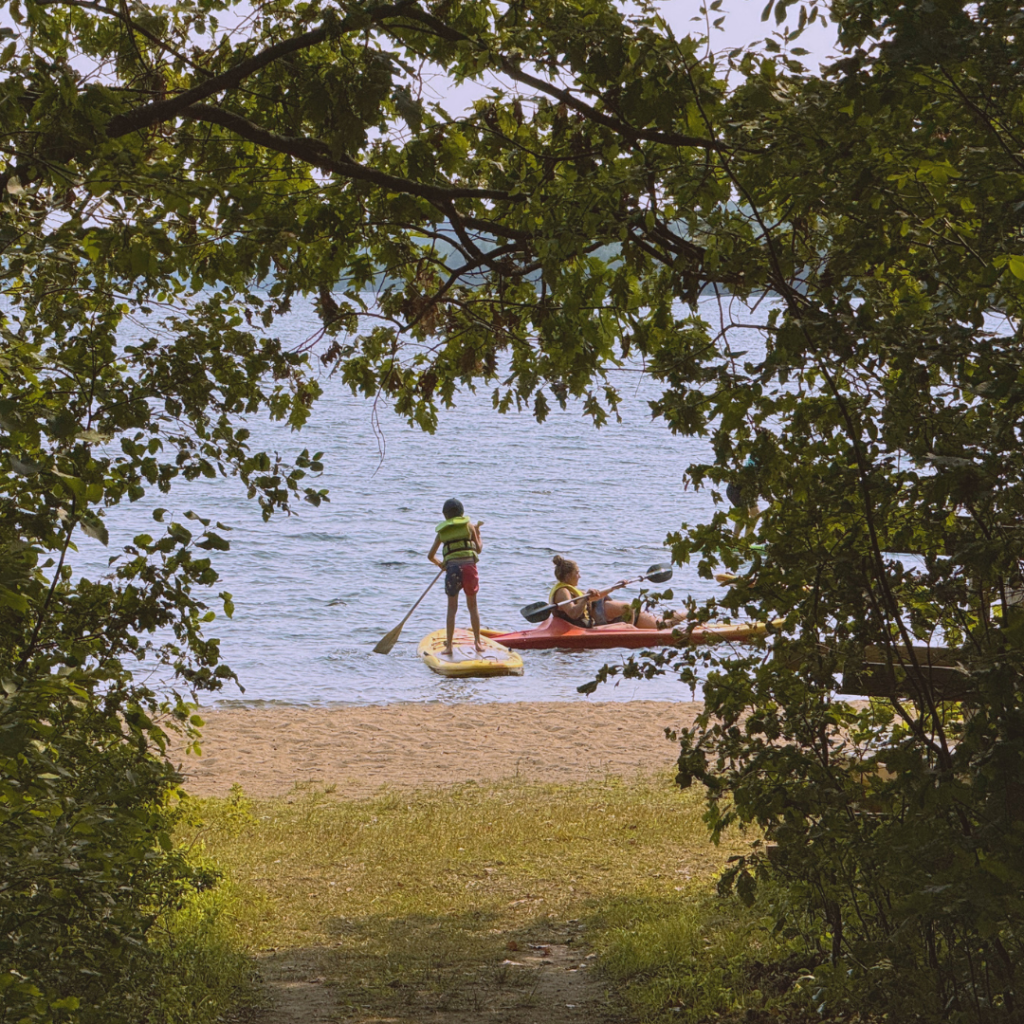
“It was fun, sunshine and happiness,” says Sandra. “Those are the three words I would use to describe camp.”
Sandra made unforgettable memories at camp, but what stood out most during her time there was the sense of belonging. Moorelands Camp brought together children and youth from all different backgrounds and experiences, but once they arrived, everyone was treated equally.
“There were kids from all kinds of circumstances, but nobody was any better than anyone else,” she recalls. “Everyone was equal.”
It was in that welcoming, inclusive environment that Sandra experienced a strong sense of community. If a camper needed something, someone was there to help. Whether a child needed an extra T-shirt or pair of shoes, or just some encouragement from their peers and cabin leaders, there was always a focus on making sure every child was supported.
After aging out of camp, Sandra’s journey continued when she returned as a staff member and later as a camp nurse. Working with campers gave her a new perspective on the impact of camp. She often saw children arrive facing different challenges and worries, but through camp, they found a safe place where they could just be kids. As staff, Sandra watched children build confidence, form friendships and try new things.
“I think they were happy to be there,” she says. “For a while, they didn’t have to worry about anything. They could just enjoy being at camp.”
Sandra says that camp taught important life lessons about leadership and respect. “You learned that everyone was equal,” she says. “That made people feel comfortable.”
She also remembers the delicious food. “I’m actually a very picky eater, but at camp I ate everything because it all tasted so good,” she says.
Today, many decades after her first summer at camp, Sandra continues to speak about her time at Moorelands Camp. She passionately advocates for camp experiences for marginalized youth, and the opportunities that these experiences provide for children and families. She believes camp can help kids disconnect from the pressures of daily life and reconnect with nature, community and social connection.
“It inspires people and helps children realize how important nature is,” she says. “It also teaches you to care about other people and ask, ‘Can I help you?’”
Looking back, Sandra describes Moorelands Camp as “community helping community.” She still carries this philosophy today, and continues to support Moorelands Kids by her charitable giving because she believes in providing these opportunities to youth.
“It has been such a big part of my life that I’ve always known I wanted to leave something to Moorelands,” says Sandra, who has pledged to include Moorelands in her Estate as part of her legacy. “It’s very close to my heart.”